
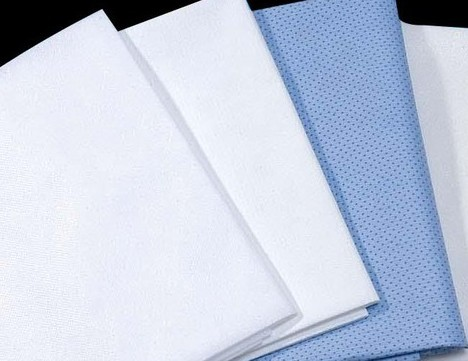
Medical nonwoven is a fabric that does not need to be spun or woven. It is primarily bonded together directly by physical means, so when you bond it, you'll find you can't pull threads out of the nonwoven. It breaks away from traditional textile principles. Compared with traditional cotton woven textiles, medical nonwoven fabrics are moisture-proof, breathable, flexible, lightweight, non-flammable, easily decomposed, non-toxic, non-irritating, inexpensive and recyclable. Advantages such as reuse are very suitable for the medical field.
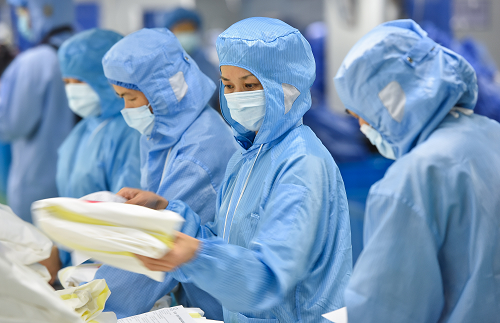
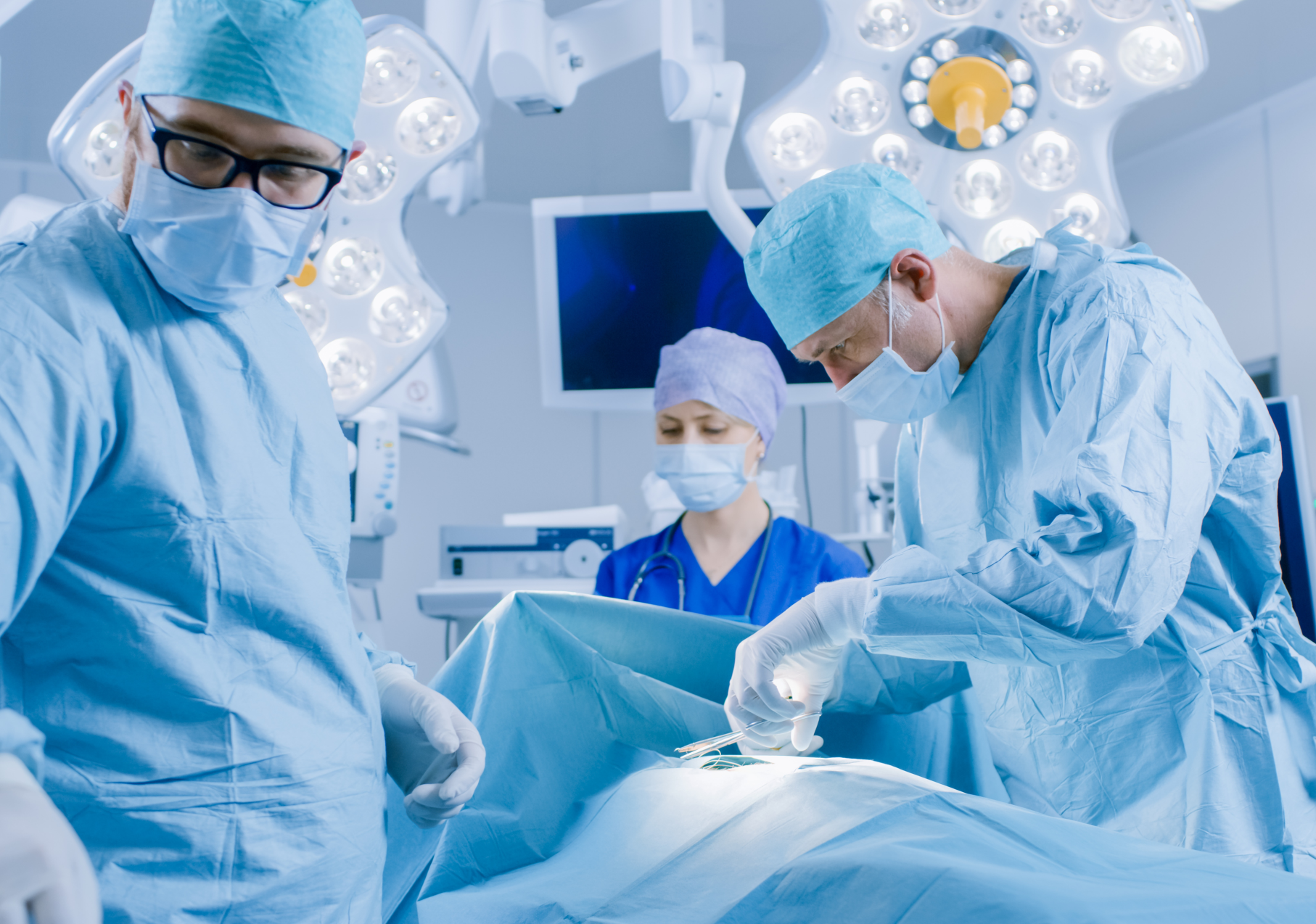
Medical nonwovens are widely used. In medicine, they can be used to produce masks, surgical caps, disposable surgical gowns, disposable medical sheets, maternity bags, nappies and so on. Medical non-woven fabrics can be placed outdoors with a service life of up to 90 days. If placed indoors, they will naturally decompose within 8 years.
As a single-use disposable product, medical nonwoven fabrics are not only easy to use, safe and hygienic, but also effective in preventing bacterial infections and cross-infections of medical origin, and are therefore favoured by the market. In addition to medical use, nonwoven fabrics have many applications in home decoration, clothing, agriculture, industry and many other fields. In China, the investment in medical nonwovens used in the healthcare industry has reached more than 100 billion yuan. The total output value of sanitary products and materials is about 64 billion yuan, and is developing in the direction of diversification. This shows that the market outlook for medical nonwovens is very favourable!
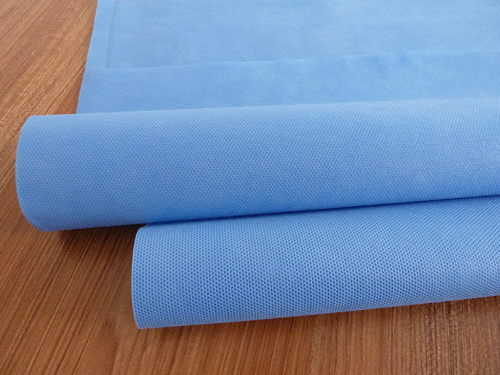
The main fibres used in the production of nonwovens are polypropylene (PP) and polyester (PET). In addition, there are nylon (PA), viscose fibres, acrylics, polyethylene fibres (HDPE) and chlorinated fibres (PVC). Among them, hydrophilic nonwovens are mainly used in the production of medical and hygienic materials for a better hand feel and protection against skin scratching. For example, sanitary napkins and hygiene towels utilise the hydrophilic function of hydrophilic nonwovens. When choosing high quality medical hygiene products, choose products made of medical nonwoven fabrics, which are safer and more environmentally friendly and have a great market prospect.